As of 1 May 2026, MIR 7.3.1 is the new mandatory format for the submission of incident reports related to medical devices. The previous version is no longer accepted and companies must ensure that reports are generated according to the new specifications. Here is what changes.
MIR 7.3.1 mandatory from 1 May: the previous version is no longer accepted
The Manufacturer Incident Report (MIR) version 7.3.1, the European standard format for reporting incidents involving medical devices to the competent authorities, will be operational from May 1, 2026. After a transition phase characterized by delays and technical updates, the European Commission confirmed the mandatory nature of the new MIR from May 1, 2026, and updated the relevant technical documentation on April 23, 2026. For medical device vigilance teams, incorrectly submitting an older version of the report will result in rejection by the competent authority, requiring a new report, and potentially delaying regulatory deadlines.
What changes in the MIR 7.3.1 report: coding, timelines and competent authorities
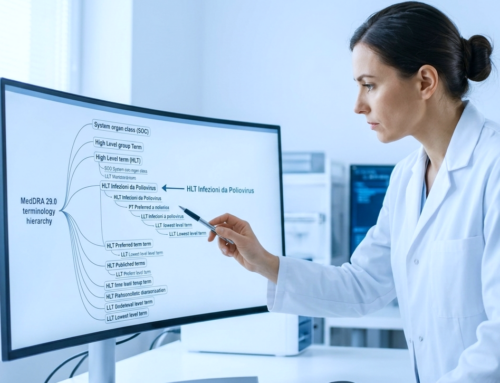
A relevant technical element of the update to version 7.3.1 concerns the management of IMDRF terminologies (International Medical Device Regulators Forum). The MIR requires specific information to be associated with standardised codes, particularly for patient health outcomes and related clinical consequences (IMDRF Annex E/F), for the identification of device components in final reports (IMDRF Annex G) and, where applicable, for comparison with similar incidents already recorded.
From an operational perspective, the system must therefore support consistent coding across the event description, device problem, patient outcome and the data reported in the form, reducing reliance on free text and improving the quality of the submitted data.
A further element concerns timelines. The MIR explicitly distinguishes between the date on which the company becomes aware of the event (awareness date) and the date on which it determines that the event is reportable (reportability decision date).
This separation makes internal steps more transparent and allows authorities to verify whether the timeframe between awareness, assessment and report submission is consistent with the applicable regulatory timelines, including those required for serious incident reporting. This results in stricter control over escalation and decision-making processes, with greater traceability and less tolerance for delays or ex-post reconstruction. In this context, consistency between the data recorded in the system, the documented assessment and the submitted report becomes essential.
The form also includes updates to the management of country codes and competent authorities, which directly affect how a report is routed. Information related to specific jurisdictions is updated or clarified, including jurisdictions that require separate regulatory handling, such as Northern Ireland after Brexit, together with the logic used to determine the report recipient.
Why the safety database makes a difference in generating MIR 7.3.1
The adoption of the new format also contributes to a more structured management of vigilance data. More consistent coding of information can facilitate aggregate case review, comparison of historical data and earlier identification of potential safety signals.
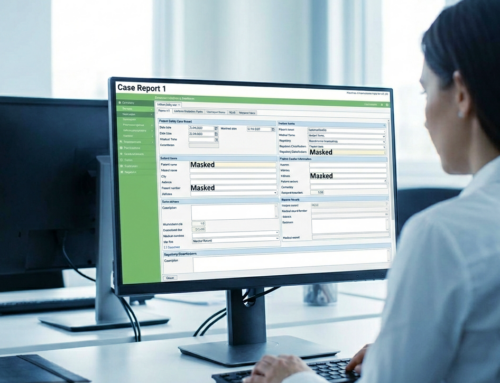
For pharmaceutical companies managing MIR reporting through a safety database, the report can be generated automatically according to the new format, using data already available in the system. This avoids manual completion of the form and reduces the risk of errors, rework or misalignment between the data recorded in the system and the submitted report.
SafetyDrugs fix to align reporting with MIR 7.3.1
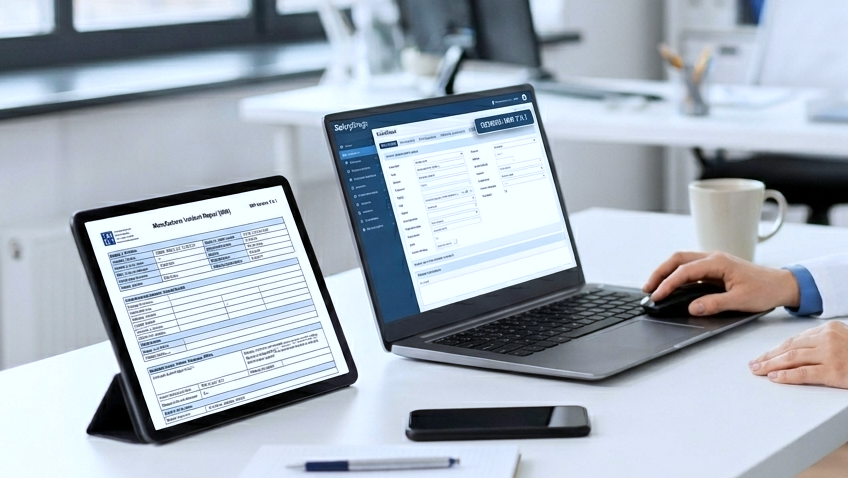
For SafetyDrugs users, a fix is available to align MIR reporting with version 7.3.1. The update introduces the new required fields into the database and acts directly on report generation, enabling automatic completion of the PDF using data already available in the system.
This makes it possible to produce a compliant output without changing the operational processes already in use and without relying on manual completion of the form.
The fix is installed on request: SafetyDrugs users can contact the technical team to activate the update and ensure continuity of MIR submissions.